
Guide
How to Choose the Right Gutter Size (5" vs. 6")
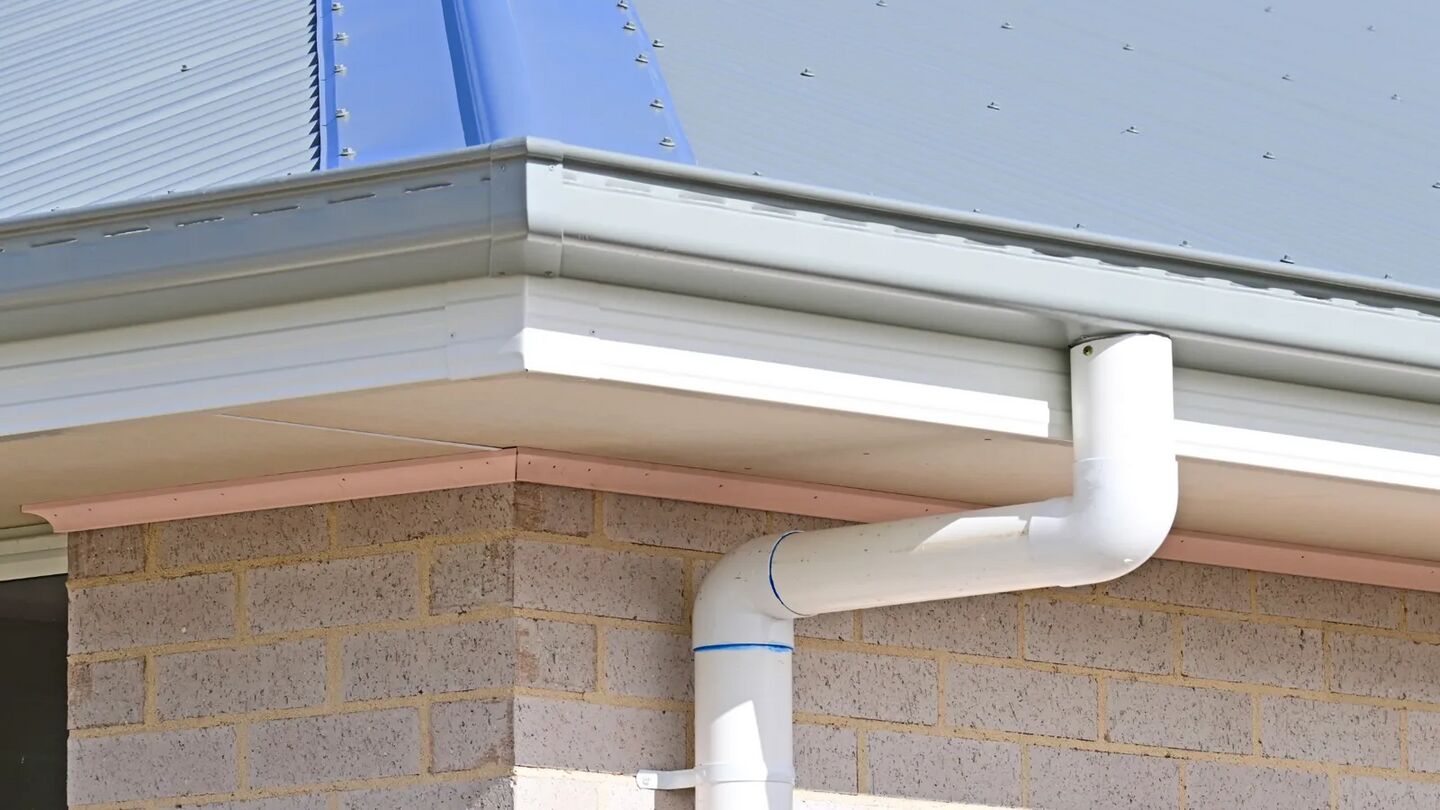
Most NJ homes use 5-inch K-style gutters, but homes with large or steep roofs, few downspouts, or heavy rainfall do better with 6-inch oversized gutters. The right size depends on your roof area, pitch, and local rainfall. Here is how to choose.
In short
Gutter size is about capacity: can the trough carry away everything the roof sheds in a downpour? A 5-inch K-style is the NJ default and handles most homes. A 6-inch K-style moves about 40% more water and clears debris better, which matters on big or steep roofs, long runs, and tree-heavy lots. The downspouts matter as much as the gutter — the right trough with too few or too-small downspouts still overflows.
Why Gutter Size Matters
A gutter that is too small overflows in heavy rain no matter how clean it is, sending water down your siding and against the foundation — the exact damage gutters exist to prevent. Sizing for your roof's actual runoff is the single most overlooked part of a good gutter job. It is not about the size of the house; it is about how much roof drains to each run and how fast. A steep roof delivers water to the gutter faster than a low-slope roof of the same area, so pitch counts as much as square footage. In New Jersey, where roughly 45–50 inches of rain a year arrives largely in intense summer thunderstorms and fall coastal storms, sizing for the cloudburst rather than the drizzle is what keeps water off your foundation.
5-Inch vs. 6-Inch: The Difference
The headline number — roughly 40% more water capacity — understates the real-world advantage. The larger 6-inch trough also has a wider mouth that catches roof runoff more reliably on steep pitches and a bigger cross-section that takes longer to clog, and it drains through 3×4-inch downspouts that carry roughly double the water of the 2×3-inch downspouts used with 5-inch gutters.
- Water capacity: 5-inch K-style Standard; 6-inch K-style ~40% more
- Cross-section: 5-inch K-style Smaller trough; 6-inch K-style Larger trough, clogs less
- Typical downspout: 5-inch K-style 2" x 3"; 6-inch K-style 3" x 4"
- Downspout flow: 5-inch K-style Baseline; 6-inch K-style Roughly double the outlet area
- Best for: 5-inch K-style Most homes, average roofs; 6-inch K-style Large/steep roofs, heavy rain, many trees
- Debris tolerance: 5-inch K-style Clogs sooner under leaves; 6-inch K-style Wider mouth handles leaf load better
- Cost: 5-inch K-style Lower; 6-inch K-style Slightly higher per foot
How to Decide for Your Home
Weigh these factors together — any one strongly in favor of 6-inch usually settles it:
- Roof area and pitch. Bigger, steeper roofs dump more water faster. A large two-story colonial or a steep Victorian in a town like Montclair or Summit favors 6-inch; a modest ranch is fine with 5-inch.
- Number and placement of downspouts. Long runs with few outlets need the extra capacity of 6-inch, because water has farther to travel before it can exit. As a rule of thumb, a downspout every 30–40 feet keeps a 5-inch run from overloading; if your layout cannot fit that many, size up the gutter.
- History of overflow. If your current 5-inch gutters overflow in storms even when clean, size up. Overflow on clean gutters is the clearest possible signal that the system is undersized.
- Tree cover. Under heavy oaks, maples, or pines, the wider 6-inch trough and larger downspouts stay clear longer between cleanings — a real advantage in tree-heavy NJ neighborhoods.
- Valleys and roof geometry. Rooflines that funnel two roof planes into one valley concentrate a huge volume of water at a single spot. Those valleys often justify 6-inch gutters and an extra downspout right below them.
- Appearance. Six-inch gutters read as slightly larger on the fascia; many homeowners actually prefer the proportion on bigger homes, and the difference is subtle from the ground.
Downspouts Matter as Much as the Gutter
Even the right-sized gutter overflows if the downspouts are undersized or too few — the trough fills faster than the outlets can drain it, and water spills over the front edge. Pairing 6-inch gutters with 3×4-inch downspouts moves far more water than a 5-inch/2×3 setup, and adding downspouts shortens the distance water has to travel to escape. When we diagnose a home that overflows despite clean, correctly pitched gutters, the fix is usually a larger or additional downspout, not a bigger trough. Make sure every downspout also discharges several feet from the foundation — capacity at the roof edge does nothing if the water dumps right at the house. A quick field check: during a hard rain, if water sheets over the front lip of a clean gutter, you are short on outlet capacity; if it exits the downspout in a strong, steady stream and clears the foundation, the sizing is right. Adding one downspout is almost always cheaper than replacing an entire run with a larger profile, so it is the first fix to consider when an otherwise sound 5-inch system overflows.
How the Right Size Is Actually Calculated
Professional sizing is not guesswork — it follows a repeatable method, and understanding it helps you judge whether a contractor is sizing your system properly or just installing whatever is on the truck. The calculation works in three steps:
The practical upshot: two homes of identical square footage can need different gutter sizes if one has a steeper roof, a big valley, or fewer places to put downspouts. A contractor who eyeballs "5-inch everywhere" without walking the roofline is guessing.
- Effective roof area. The area draining to each gutter run is measured, then adjusted for pitch. A steeper roof behaves like a larger flat roof because it delivers water faster and catches more wind-driven rain, so a pitch multiplier is applied.
- Rainfall intensity. The peak rainfall rate for the region — not the yearly total — sets the design load. New Jersey's short, intense storms mean the system has to handle a high burst rate for the drainage area, which is why gutters sized only for "average" rain overflow here.
- Capacity match. The drainage area and rain rate are matched to a gutter size and a downspout count. When the effective area exceeds what a 5-inch trough and its downspouts can carry, the run steps up to 6-inch or gains additional downspouts.
K-Style vs. Half-Round Sizing
Most NJ gutters are K-style (the flat-backed profile that looks like crown molding from the ground), and the 5-vs-6-inch decision above applies to them. Half-round gutters — common on historic and copper installations — carry less water than a K-style of the same nominal width because of their rounded shape, so a home that would take a 5-inch K-style often needs a 6-inch half-round for equivalent capacity. If you are weighing profiles, see K-style vs. half-round gutters, and if you are choosing the metal itself, the best gutter material for NJ homes.
Can You Mix Sizes on One House?
Yes — it is common and sensible to run 6-inch gutters only on the roof sections with the most runoff (large planes, steep pitches, or valley catchments) while keeping 5-inch on smaller, low-load sections. The key is that a professional calculates runoff for each drainage area so the whole system stays balanced and nothing overflows. Guessing at a mix, or sizing the whole house off one visible run, is how homes end up with one chronically overflowing corner.
When to Call a Pro
A professional will calculate your roof's runoff by drainage area — area, pitch, valley catchment, and rainfall intensity — and recommend the correct gutter size, downspout size, and downspout count. Guessing leads to overflow, and overflow leads to the fascia rot and foundation water that gutters exist to prevent. See gutter installation cost in NJ, then learn about our gutter installation service. Call (888) 611-3987 or request a free estimate. Serving Westfield and all of Union, Essex, Morris, Somerset, and Bergen counties.
Services
Services and products in this guide
2 pages this guide links to.
Gutter Installation
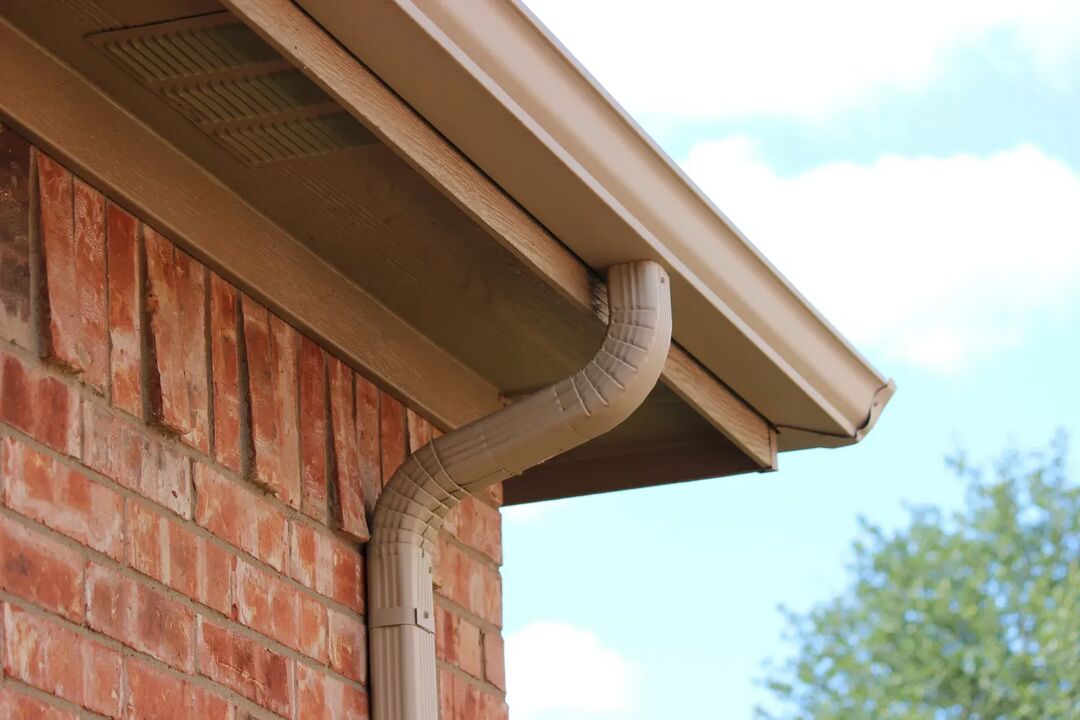
New seamless gutters for New Jersey and Bucks County homes: 5-inch or 6-inch K-style sized to your roof, matched downspouts.
Typical $6–$20 per linear ft estimateLearn more
Gutter Installation Cost in NJ
Learn more
Prices on these cards are typical New Jersey ranges, labeled estimates; your price comes from a free on-site estimate. How a price is worked out
Guides
Helpful guides
3 guides from New Jersey Gutter.
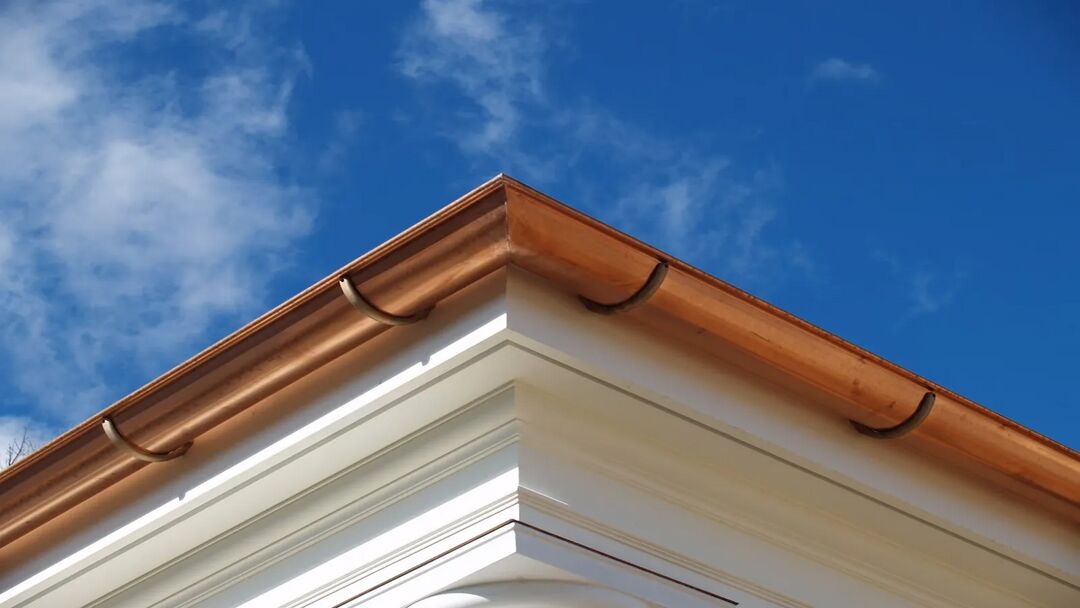
8 Signs You Need New Gutters (NJ Homeowner Guide)
Gutters fail slowly, then all at once. In New Jersey the killers are freeze-thaw cycles, heavy oak-and-maple leaf loads, and 20-plus years of weather.…
Learn more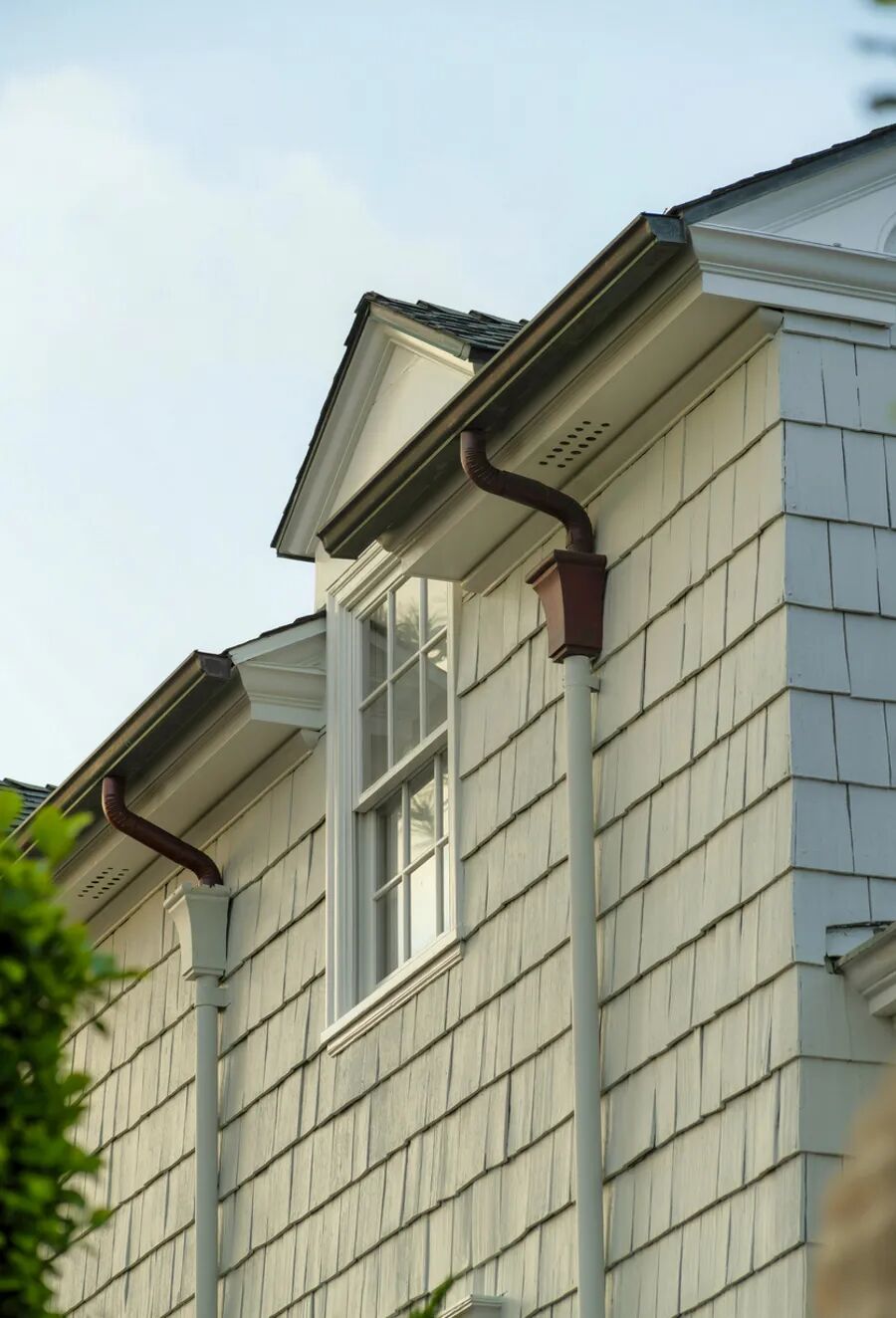
Best Gutter Material for NJ Homes (2026 Guide)
For most New Jersey homes, seamless aluminum is the best gutter material: it resists rust, handles NJ weather.
Learn more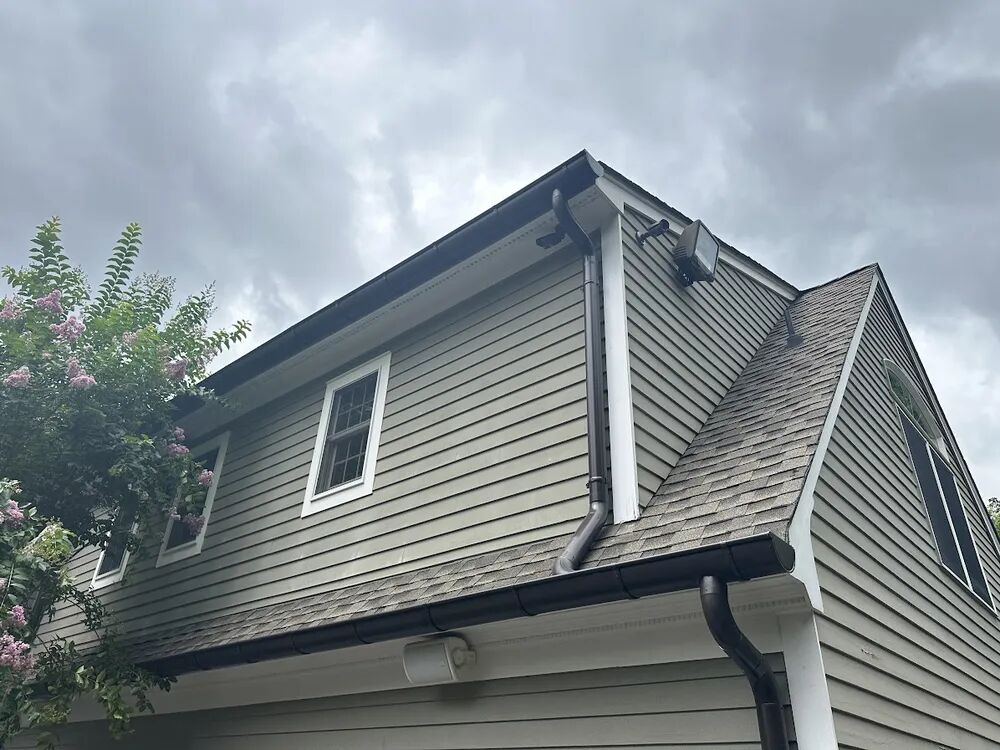
The Gutter Installation Process: What to Expect
This guide walks the full process from quote to cleanup so you know what a proper install looks like and what questions to ask.
Learn more
FAQ
Frequently asked questions
6 questions and answers in 2 topics: Pricing, Process.
Pricing
Does gutter size affect cost?
Six-inch gutters cost slightly more per foot than 5-inch, but the difference is usually modest compared with the overflow protection they provide.
Process
What size gutters do most homes need?
Most homes use 5-inch K-style gutters. Homes with large or steep roofs, long runs, or heavy rainfall do better with 6-inch gutters.
Are 6-inch gutters better than 5-inch?
Six-inch gutters carry about 40% more water and are better for big or steep roofs, but 5-inch is plenty for most average homes and costs less.
How do I know if my gutters are too small?
If your gutters overflow during heavy rain even when clean, they are likely undersized for your roof runoff, or you need more downspouts.
Do bigger gutters need bigger downspouts?
Yes. Six-inch gutters typically pair with 3-inch by 4-inch downspouts, which move far more water than the 2-inch by 3-inch downspouts used with 5-inch gutters.
Can I mix gutter sizes on one house?
It is possible to use larger gutters only on the roof sections with the most runoff, but a pro should calculate this to keep the system balanced.
Ready when you are
Tell us what you need and we will get back to you — Monday–Friday 7:00 AM–5:00 PM; Saturday 9:00 AM–4:00 PM.
Request a free estimate
Tell us about your project
Send a few details and New Jersey Gutter will reply by phone or email.